Moving to Europe offers a lot: a fresh professional perspective, a new rhythm of life, and the chance to explore a different culture—which are all incredibly exciting. But as you start looking at the logistics, you’ll quickly realize that your day-to-day success depends heavily on how you handle the communication gap. Choosing a destination where English is widely spoken can act as an invaluable safety net, smoothing out the initial culture shock and logistical friction while you find your long-term footing.
English Helps a Ton—But There Are Caveats
Moving abroad is a delicate balancing act. You want to embrace a brand-new culture without completely upending the comfort and efficiency of your daily life. For international professionals, having a “soft landing” usually depends on how easily you can navigate your surroundings during those first few hectic weeks.
When local residents and service providers speak English, the initial stress drops significantly. It helps immensely with immediate tasks like asking for directions, grocery shopping, or setting up a basic bank account. However, it’s important to keep your expectations realistic. When it comes to signing a lease or reviewing employment contracts, official documents will almost always be executed in the local language for legal validity, meaning a translation app or a local advisor will still be necessary.
Scandinavia and the Netherlands
If you want to minimize the language barrier as much as possible, Northern Europe is a natural starting point. The Netherlands and Sweden consistently dominate global rankings for non-native English proficiency. In major cities like Amsterdam or Stockholm, you can easily manage a corporate career and a bustling social life entirely in English while you gradually pick up the local tongue.
Denmark is another fantastic option, blending its famous, cozy hygge lifestyle with exceptional public infrastructure. Expats love Denmark for its streamlined digital government services, which offer plenty of front-end information in English. Just keep in mind that while registering for taxes or booking healthcare appointments online is incredibly efficient, the deeper layers of state bureaucracy and official notices will eventually default to Danish, requiring a bit of patience and local help.
The International Hubs of Southern Europe
If you prefer warmer climates and a more relaxed pace, Southern Europe has developed massive international communities within its major urban centers. Cities like Lisbon and Barcelona have become magnets for remote workers, creatives, and tech talent.
Because these cities host vast global networks, English has become the default language for socializing, networking events, and collaborative workspaces. It’s an ideal setup if you want to enjoy a Mediterranean lifestyle while maintaining a highly mobile career. The flip side is that these English-speaking ecosystems can sometimes feel like parallel worlds—relying entirely on them can isolate you from the local population.
Central Europe: Coming Up
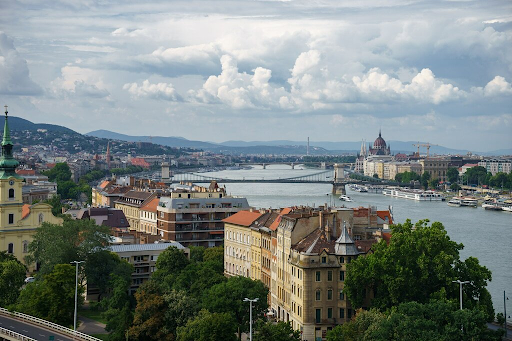
For a blend of rich history, vibrant culture, and a generally lower cost of living, Central Europe is increasingly drawing international attention. In major hubs like Prague, Warsaw, or Budapest, multinational companies and younger generations speak excellent English, making the workplace transition relatively smooth.
However, daily life outside these corporate bubbles—and especially dealing with state authorities—presents a steeper learning curve. The bureaucratic processes here tend to be strictly traditional and formal. For example, if you are researching how to get a residence permit in Hungary, you will find that while initial informational guides are accessible in English, the actual legal submissions and interactions with immigration offices are conducted firmly in the local language. Having a local consultant or a relocation specialist is often essential to navigating these regional systems without administrative delays.
Settling In for the Long Haul
Ultimately, your long-term happiness abroad involves much more than just finding an English-friendly neighborhood. While an English-speaking environment makes the initial move comfortable, staying inside an “expat bubble” indefinitely can eventually leave you feeling like a permanent tourist rather than a true member of the community.
To feel at home over the span of years, putting effort into learning the local language is non-negotiable. Even mastering basic phrases shows respect and opens doors to genuine connections with your neighbors. By using English as a practical stepping stone while staying genuinely curious about the local culture, you can build a balanced, deeply fulfilling life abroad.