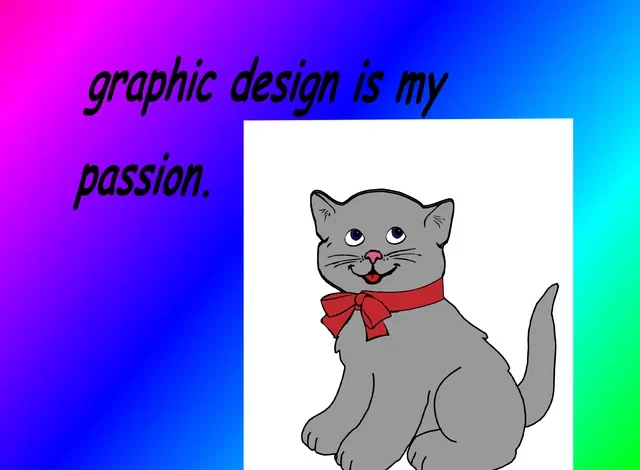
Graphic design is my passion: from meme to meaningful creative career
If you’ve ever typed “graphic design is my passion” into a search bar, chances are you’re looking for more than the joke. The phrase started life as an internet meme, but it stuck around because it points to something real: the feeling of wanting to make visuals that matter. Sometimes it’s earnest, sometimes it’s ironic, and often it’s both at once. Either way, the reason people keep repeating it is simple. Design is everywhere, and when you start noticing it, you can’t stop.
In this guide, I’m treating graphic design is my passion as a real intent, not just a punchline. You’ll learn what the phrase means in today’s creative culture, what professional graphic design actually involves, and how to turn that spark into skills, a portfolio, and opportunities. Along the way, you’ll get practical, experience-based advice that respects the craft and the business side of creativity, without pretending there’s a single “right” path.
Why “graphic design is my passion” became a cultural shorthand
The internet loves a phrase that can carry two emotions at once. “Graphic design is my passion” became popular because it captured the gap between big creative dreams and early-stage results. People would post deliberately messy edits with the caption to poke fun at how hard design is when you’re starting out. But the meme also made room for beginners to try without fear, because everyone knew the joke was partly about learning in public.
What’s interesting is how quickly the phrase evolved. Today, graphic design is my passion can mean “I’m brand new and experimenting,” “I’ve been doing this for years and I still love it,” or “I’m overwhelmed by client feedback but I’m committed.” That flexibility makes it oddly comforting. It reminds you that every designer, even the ones whose work looks effortless, has a history of awkward drafts and clumsy type choices.
What graphic design actually is in 2026
A lot of people discover design through a logo request or a social media post template. But graphic design is bigger than aesthetics. It’s visual communication with purpose. A design is successful when it helps someone understand, decide, trust, or act. That’s why professionals talk about goals, audiences, constraints, and systems, not just “making it look cool.”
When someone says graphic design is my passion, it’s helpful to know the landscape. Modern graphic design can include brand identity, marketing design, editorial layouts, packaging, motion graphics, product UI support, and even accessibility-focused visual systems. These areas overlap, but they also reward different strengths. Some designers love storytelling through layouts; others love the structure of design systems; others thrive in expressive brand work.
The four outcomes clients and teams hire designers for
Most paid design work funnels into a few outcomes, even if the deliverables look different. Teams hire designers to clarify information, build trust, create consistency, and drive action. A landing page design is about clarity and action. A brand identity is about trust and consistency. An infographic is about clarity. A campaign is often about action plus emotional resonance.
Once you see design through outcomes, graphic design is my passion becomes more than a vibe. It becomes a professional mindset: caring about helping people understand and choose through visual communication.
Graphic design is my passion, but what should I learn first?
Let’s make this practical. Beginners often jump straight to tools, because tools feel concrete. Tools matter, but fundamentals make your work look “designed” even before you develop a signature style. The fastest improvement usually comes from mastering a few core principles and applying them repeatedly across small projects.
You’ll grow quickly when you focus on hierarchy, typography, spacing, color, and composition. Hierarchy is how you guide attention. Typography is how you give language a voice. Spacing is how you create calm and credibility. Color is how you set mood and signal meaning. Composition is how you create balance and intention across the frame.
When graphic design is my passion is your north star, practice becomes less about chasing trends and more about building taste and judgment.
Typography: the skill that makes everything look more professional
Typography is the invisible line between “I made this” and “this feels legitimate.” It’s not about knowing thousands of fonts; it’s about making a few smart choices and being consistent. A clean type scale, thoughtful line length, and proper spacing can elevate even a simple design.
A strong typography habit is to start with one typeface family and explore weight, size, and spacing before adding a second font. You’ll be surprised how often “less” looks more confident. When someone says graphic design is my passion, typography is usually the difference-maker that helps their passion show up as polish.
Layout and spacing: the quiet engine of good design
Spacing is not empty. It’s structure. Consistent margins, alignment, and whitespace make designs feel intentional. Misalignment and cramped spacing make designs feel chaotic even if the colors are trendy.
A useful practice is to build layouts on a simple grid. Even a basic column structure makes your design decisions easier and your results more cohesive. This is also where many meme-era “graphic design is my passion” posts intentionally break the rules for comedic effect. In real projects, you can break rules too, but only after you understand what the rule was doing for you.
Turning the meme into a portfolio that gets you hired
If graphic design is my passion describes how you feel, the next step is to show it through work. A portfolio isn’t a museum of everything you’ve ever made. It’s a curated story about your thinking and your ability to solve visual problems.
Start by choosing a direction that matches the kind of work you want. If you want brand identity projects, build identity case studies. If you want social media design, build campaign systems with variations. If you want editorial, build multi-page spreads that prove you can handle rhythm and readability. If you want UI-adjacent work, show components, consistency, and accessibility awareness.
A good portfolio piece explains the goal, the audience, the constraints, and the solution. It shows iteration, not just the final image. Employers and clients trust designers who can explain why they designed something the way they did.
The easiest way to create strong portfolio projects without clients
You can design “realistic” work without waiting for permission. Redesign a local café’s menu, build a brand for a fictional skincare line, create a social campaign for a community cause, or design an annual report layout for a made-up nonprofit with real data. The key is to treat it like a real brief: define your audience, your message, and your constraints.
When graphic design is my passion is driving you, self-initiated projects can be your training ground. They also communicate initiative, which matters a lot in creative hiring.
Tools are important, but workflow is the real superpower
Design tools change. Workflow principles last. Whether you use Adobe apps, Figma, Affinity, Canva, Procreate, or a mix, you’ll improve fastest when you develop a repeatable process.
A healthy workflow often looks like research, rough exploration, selection, refinement, feedback, and final production. Beginners skip the early stages and jump straight to polish, which is why things can feel stuck. Rough exploration is where you generate options. Refinement is where you make choices and commit.
When you approach design like a process, graphic design is my passion stops being a mood and starts being a skill-building plan.
Feedback without losing your mind
Feedback is part of the job, and it’s often emotional. You pour yourself into a design, and someone asks for “more pop.” The trick is to translate vague feedback into actionable design changes. “More pop” could mean higher contrast, clearer hierarchy, bigger type, more whitespace, or stronger imagery.
Ask what the design needs to accomplish, what’s not working for the viewer, and what success would look like. Then propose solutions. This is how you build trust and avoid endless revisions.
Designing with trust: accessibility and ethical responsibility
If you want long-term credibility, you can’t ignore accessibility. Good design is usable design. That includes color contrast, readable type sizes, clear focus states in digital contexts, and not relying solely on color to convey meaning.
Accessibility guidelines like WCAG can help you design in a way that works for more people, including those with visual impairments or neurodivergent needs. When graphic design is my passion becomes part of your values, accessibility is a strong place to focus.
Making money with design without selling your soul
Search intent around graphic design is my passion is often both informational and transactional. People want to learn, but they also want to know how to turn design into income. Money usually comes from value, reliability, and communication as much as from aesthetics.
If you freelance, clients pay for outcomes, speed, and confidence. If you work in-house, teams pay for consistency, collaboration, and brand stewardship. If you work at an agency, you’re often paid for breadth, client management, and working within tight constraints.
One of the best ways to increase your rates or salary is to specialize just enough to be memorable. “I design brand identities for early-stage startups” is clearer than “I do everything.” You can still be versatile, but you want a story that helps people know when to hire you.
The mindset shift that separates hobbyists from professionals
Professionals show up even when inspiration is low. They use constraints to make decisions. They learn from critique. They document their process. They deliver files correctly. They communicate.
If graphic design is my passion is your identity, let it be rooted in practice. Make small things often. Redesign the same poster in three different styles. Rebuild a layout with a different grid. Practice type pairings. Explore a single color palette for a week. You’re training your eye.
Taste grows faster than skill. That uncomfortable gap where you can see what’s wrong but can’t fix it yet is normal. Keep going. That gap is where designers are made.
Graphic design is my passion, and now I’m ready to commit
At some point, you’ll want a plan you can stick to. Choose one design lane for the next month, build two portfolio-worthy projects, and share progress with a small critique circle. When you finish, reflect on what felt energizing and what felt draining. Then adjust.
When you treat graphic design is my passion as a promise to practice, your results start matching your ambition.
Conclusion: making the phrase your own
The internet may have introduced you to “graphic design is my passion” as a meme, but you get to decide what it means in your life. You can keep the humor and still pursue the craft with sincerity. Learn the fundamentals. Build a process. Create a portfolio that tells a story. Design with accessibility and ethics in mind. Communicate like a professional.
If you take one thing from this post, let it be this: graphic design is my passion doesn’t have to be a joke or a label. It can be a direction. And with consistent practice, it can become a career.
FAQ: graphic design is my passion
What does “graphic design is my passion” actually mean today?
It began as a meme, but now it’s used for both humor and sincerity. It can describe being a beginner experimenting, or a committed designer who loves visual communication.
Can I become a graphic designer if I’m starting from zero?
Yes. Start with fundamentals like typography, spacing, hierarchy, and composition, then build realistic projects and document your decisions like a case study.
How often should I practice if graphic design is my passion?
Practice consistently. Regular short sessions help you improve faster than occasional long sessions because you build momentum, taste, and muscle memory.
Do I need a degree to get hired as a graphic designer?
Not always. Many roles prioritize portfolio strength, design thinking, communication skills, and reliability. A degree can help, but it isn’t the only route.
What should I put in my first portfolio?
Include a few strong projects with clear goals and audience context. Show iterations and explain why you made key design choices.