When someone you love faces a difficult season of illness or stress, geography often feels like an impossible barrier. About 1 in 3 adults in the U.S. report feeling lonely, and that isolation deepens significantly during personal hardship.
Sending a text message rarely conveys the full depth of your concern. Learning how to support someone from afar depends on specific actions rather than grand gestures, so providing practical help makes your presence felt across any distance.
1. Send Custom Personal Care Packages
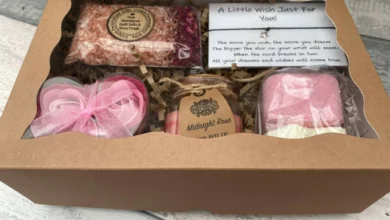
A standard gift card or a drugstore basket requires minimal effort and signals a lack of particular attention. The best deliveries show that you notice what someone avoids and what they actually need rather than what looks easy to grab. This observation matters heavily when the person you support eats carefully due to treatment or a new health condition.
Someone recovering on a restricted diet gains nothing from a box full of standard snacks they cannot tolerate. When the recipient needs specialised meals, thoughtful get-well-soon gift baskets from It’s Only Natural Gifts let you build the contents around their strict lifestyle. You select the exact gluten-free or organic items they will reach for without triggering dietary anxiety.
Each arrangement undergoes custom assembly after you place the order instead of sitting on a warehouse shelf. A handwritten note arrives without pricing information in the box, preventing the recipient from worrying about your budget while they manage their own stress. For long-distance senders, quick shipping choices remove the logistical delays that otherwise ruin good intentions.
2. Support Confident Identity Habits
Navigating medical treatment quietly erodes a person’s self-image. One of the least discussed physical shifts during intense recovery is noticeable hair thinning, which heavily shakes a patient’s self-esteem. Because physical changes often look minor compared to the primary illness, patients frequently leave these shifts unaddressed to focus on basic survival.
Acknowledging this reality directly shows immense, proactive care. For a friend noticing early shedding linked to health issues, incorporating Daniel Alain’s pre-shampoo hair shedding treatment provides a drug-free formula designed to support retention before major loss occurs. Sending this targeted item reminds your loved one that their identity remains worth protecting.
Pair this specific treatment with a softcover journal or a weighted eye mask so the delivery reads as a curated kit. Gifting targeted self-care normalises self-attention during hard seasons. People under pressure consistently deprioritise their appearance and comfort even when those small comforts offer vital emotional relief.
| Key Insight: Self-care gifts that acknowledge hair shedding or confidence loss aren’t about fixing a problem; they’re about saying: you deserve to look after yourself right now, even when it feels hard. |
3. Protect Predictable Daily Routines
A person managing medical recovery spends significant mental energy making sudden health decisions every single day. Setting up predictable daily habits removes this daily friction and provides crucial stability. The central goal of remote support involves eliminating practical chores rather than adding new relational obligations.
Set up a recurring grocery delivery or a meal kit subscription so the weekly food decision disappears from their plate. Build a curated podcast queue timed for a specific part of their day, like a morning walk or an evening wind-down. You can also coordinate with someone local to take over one physical errand like a pharmacy pickup or a dry-cleaning run.
If your friend brews pour-over coffee every morning, sending their favourite roasting blend before they run out protects that exact moment. You cannot solve their primary struggle, but you can keep one familiar habit fully intact.
4. Maintain a Steady Unseen Presence
The most common mistake in remote support involves showing up intensely at the start and vanishing once the initial crisis resolves visually. The person living through the medical aftermath rarely experiences that same swift resolution. According to the CDC, while many adults receive adequate emotional backing initially, ensuring continuous care remains vital for long-term recovery.
The antidote to emotional drop-off is predictable and undemanding contact. A short voice note sent on a random Tuesday carries more weight than three hurried calls in the first week. Sharing an old memory with no attached questions gives them a reason to smile without demanding an update. A recurring weekly text signals your presence so they can respond on their preferred timeline.
The objective focuses on signalling ongoing care rather than extracting a performance of gratitude from an exhausted friend. Showing up after the first wave of concern fades sets true support apart from obligatory check-ins.
| Quote: The most common mistake in supporting a loved one from afar is showing up intensely at the start, then gradually going quiet once the initial crisis looks resolved from the outside. The person living through it doesn’t experience the same resolution you do from a distance. |
Where Do We Go From Here
The best long-distance care combines customised nutritional items, proactive hair and body care, protected household routines, and steady personal contact. Sending a customised dietary arrangement or a targeted self-care treatment provides immediate physical comfort. Tracking their grocery runs or dropping a brief weekly text maintains that baseline comfort over the long haul.
Choose one specific action from this list and implement it right away. Set up a delivery that removes a chore, or curate a package that acknowledges their physical reality without awkwardness.