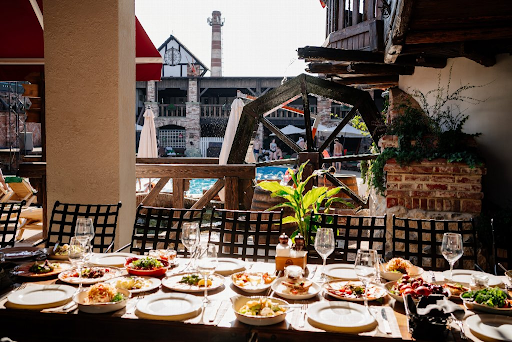
The first evening in Budapest often begins with a bowl of goulash. It is a comforting choice and an easy introduction, yet it only hints at the depth of Hungarian cooking. The city’s dining culture extends far beyond, shaped by family recipes, regional traditions, historic cafés, and long conversations around the table. That broader perspective is something the Zsidai Group has consistently embraced, treating food as part of Budapest’s cultural life rather than merely a tourist attraction.
Look Beyond the Familiar
Every country has one dish that becomes its international calling card. Hungary has several, but goulash inevitably receives the most attention. The real reward comes from looking past that first order.
Sit down for a leisurely lunch, and the menu begins to tell a different story. Slow-cooked beef stew arrives with soft nokedli that carries every drop of rich sauce. Duck liver appears alongside seasonal fruit rather than elaborate decoration. Fisherman’s soup varies from region to region, while stuffed cabbage develops deeper flavours after resting overnight. These are recipes shaped by time, patience, and generations of home cooks.
Local cuisine reveals itself through details. Fresh bread is served while it is still warm. Pickled vegetables brighten rich meat dishes. Sour cream softens the boldness of paprika, adding balance without diluting its intensity. Every element has a purpose.
Why Tradition Still Feels Relevant
Classic Hungarian cooking continues to resonate because it respects ingredients that remain familiar today. Root vegetables, freshwater fish, seasonal mushrooms, orchard fruit, and carefully selected meats still define many of the country’s favourite recipes.
Cooking methods deserve equal attention. A beef stew simmered gently for several hours develops remarkable depth. Freshly prepared nokedli keeps its soft texture for only a short time, which explains why timing matters so much in traditional kitchens. Even desserts reward patience. A slice of Dobos cake tastes richer when each delicate layer has been assembled with precision rather than speed.
Modern chefs understand this balance well. They refine presentations, adjust portions, and introduce lighter touches while preserving the flavours people return for.
Choosing a Traditional Hungarian Restaurant
Finding a traditional Hungarian restaurant in Budapest involves more than scanning online ratings. Look at the dining room. Watch how local guests behave. Families celebrating birthdays, colleagues lingering over lunch, and couples ordering another coffee after dessert usually signal that a restaurant has become part of everyday city life.
Menus also reveal a great deal. Seasonal ingredients suggest attention to freshness. Regional recipes indicate curiosity beyond the obvious classics. Wine lists featuring Hungarian producers often complete the picture.
This thoughtful approach to hospitality is reflected in the philosophy of the Zsidai Group, where historic settings, carefully prepared Hungarian dishes, and contemporary service naturally complement each other without competing for attention.
Taste the Seasons
Seasonality shapes Hungarian cuisine far more than many visitors expect.
Spring brings asparagus, fresh herbs, and lighter dishes after winter’s hearty cooking. Summer fills markets with peppers, tomatoes, cherries, apricots, and fragrant stone fruit that later become jams or desserts. Autumn introduces mushrooms, pumpkins, and new wines. Winter returns to slow braises, cabbage dishes, warming soups, and pastries served beside hot coffee while snow settles outside.
Following the seasons offers a richer understanding of the country than ordering the same famous dishes year-round.
Curiosity Rewards Every Traveller
The strongest food memories often begin with one unexpected decision.
Order the dish you cannot pronounce. Ask which regional recipe the chef recommends today. Try a Hungarian wine that rarely appears outside the country. Accept that every meal does not need to match familiar expectations.
Choosing a traditional Hungarian restaurant in Budapest creates opportunities to experience that spirit firsthand. Every carefully prepared plate reflects customs that continue to evolve while remaining closely connected to family tables and local traditions.
A City Best Remembered Around the Table
Budapest leaves lasting impressions through its architecture, thermal baths, and panoramic views, yet its dining culture deserves equal attention. Meals connect travellers with neighbourhoods, history, and the people who keep culinary traditions alive every day. That perspective continues to define the work of the Zsidai Group, reminding visitors that discovering local cuisine begins with curiosity and often ends with stories worth bringing home.