Alfie Haaland: The Untold Story of Erling Haaland’s Father, Football Career, and Family Legacy

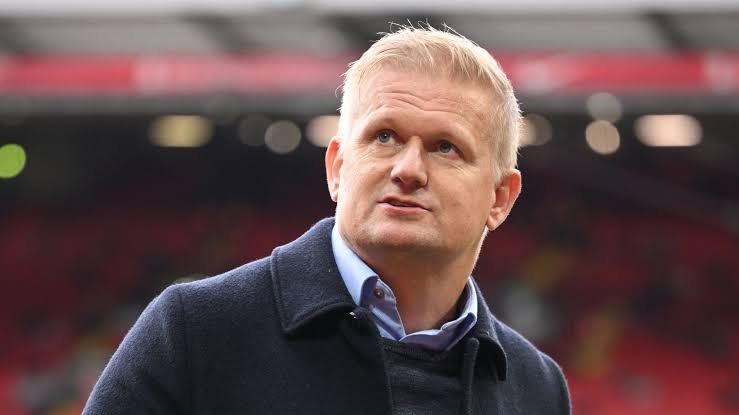
Alfie Haaland: The Football Journey, Family Legacy, and Story Behind Erling Haaland’s Father
Alfie Haaland is a name that has become increasingly familiar to football fans around the world, largely because he is the father of Manchester City and Norway superstar Erling Haaland. Yet Alfie is much more than the parent of a famous striker. Born Alf-Inge Rasdal Håland, he built a respected professional career of his own, playing in England’s top flight for Nottingham Forest, Leeds United, and Manchester City, while also representing Norway at international level. His story combines professional ambition, sporting setbacks, family influence, and a remarkable connection between two generations of footballers.
Who Is Alfie Haaland?
Alfie Haaland was born on November 23, 1972, in Bryne, Norway. During his playing career, he was known primarily as a defender and midfielder, although his versatility allowed him to operate in several positions. He developed through the youth system at Bryne and made his senior debut while still a teenager.
Unlike his son Erling, who became famous for his extraordinary goal-scoring record, Alfie built his reputation through discipline, defensive ability, physical strength, and tactical versatility. His professional career eventually took him from Norway to England, where he spent a significant part of his footballing life competing in the Premier League.
According to Norway’s Store norske leksikon, he made 34 appearances for the Norwegian national team between 1994 and 2001. He also represented Norway at the 1994 FIFA World Cup, giving him an international career that stood on its own merits.
Early Career in Norway
Football was an important part of Haaland’s upbringing in Bryne, and the local club became the starting point of his professional journey. He joined Bryne’s youth setup and progressed into the senior team, gaining valuable experience before making the move to English football.
His performances attracted attention beyond Norway, and in 1993 he moved to Nottingham Forest. The transfer represented a major step forward for a young Norwegian player hoping to establish himself in one of Europe’s most competitive football environments.
Moving abroad at that stage of his career required adaptability. English football was physically demanding, and Haaland had to adjust to a different style, culture, and level of competition. His ability to perform consistently helped him establish himself as a dependable professional.
Premier League Career
Haaland’s English career began with Nottingham Forest, where he spent several seasons. He later moved to Leeds United in 1997, becoming part of a team that enjoyed an impressive period in European competition.
At Leeds, Haaland was not simply known for one position. His versatility made him useful to the team, and he contributed during an era when Leeds were competing strongly in England and Europe. The club reached the UEFA Cup semi-finals during the 1999–2000 campaign and qualified for the Champions League.
In 2000, he completed a move to Manchester City. The transfer created a connection that would become extraordinarily significant years later. Haaland played for City from 2000 until 2003, making 35 appearances and scoring three goals according to career records.
At the time, nobody could have predicted that the club would eventually become one of the defining parts of his son’s professional career too.
The Manchester City Connection
The Manchester City chapter is one of the most interesting aspects of Alfie Haaland’s story. His time at the club came long before Erling became a global football superstar, but it helped establish a family connection with City that would eventually come full circle.
Erling was born in Leeds in July 2000, shortly after his father moved from Leeds United to Manchester City. The family later returned to Norway, where Erling grew up in Bryne. Manchester City nevertheless remained part of the family story.
When Erling eventually joined Manchester City decades later, it was therefore not simply another transfer. It represented the continuation of a footballing connection that began with his father.
The emotional element of that story has been noted by people connected with the club. Alfie had played at City’s former Maine Road stadium, and Erling later followed in his father’s footsteps by wearing the same club’s shirt at the highest level.
The Roy Keane Incident
One of the most discussed moments of Alfie Haaland’s playing career came during the Manchester derby against Manchester United in April 2001.
During the match, Roy Keane made a notorious challenge on Haaland. The incident became part of Premier League history and has been discussed for years because of its seriousness and the later comments surrounding it.
Haaland had already experienced knee problems, and his physical condition became increasingly difficult to manage. His career at the highest level ultimately ended in 2003, when he was only 30 years old. Reliable accounts of his career consistently identify his knee problems and injuries as major reasons for his early retirement.
It is important not to reduce his entire career to that one incident, however. Before his retirement, Haaland had already enjoyed a decade of English football and had established himself as a respected international player.
Life After Professional Football
Retirement did not mean that football disappeared from Haaland’s life. After leaving professional football, he remained involved in business and continued to follow the development of his children.
He also made a brief return to football in Norway years after his top-level retirement. His later appearances were at a much lower level, allowing him to reconnect with the sport without returning to the demands of Premier League football. His playing career was ultimately concluded in 2013.
Beyond football, Haaland has also been involved in investment and business activities. His life after playing demonstrates that retirement from professional sport can open a new chapter rather than simply ending an athlete’s public journey.
The Father Behind Erling Haaland
Perhaps the biggest reason people search for Alfie Haaland today is his relationship with Erling. The younger Haaland developed into one of the most recognizable strikers in modern football, but his sporting upbringing was influenced by parents with strong athletic backgrounds.
Alfie understood professional football from personal experience. He knew the pressures surrounding elite competition, the importance of physical preparation, and the challenges involved in building a career overseas. Those experiences naturally gave Erling access to valuable knowledge from an early age.
Manchester City has also highlighted how Alfie introduced Erling to different sports during his childhood, including cross-country skiing, handball, and athletics. This broader athletic background helped develop qualities that later became central to Erling’s footballing style.
Erling’s mother, Gry Marita Braut, was also a successful Norwegian heptathlete, meaning sporting ambition was present on both sides of the family.
A Different Kind of Football Legacy
The contrast between father and son is particularly fascinating. Alfie was a defender and midfielder whose job involved positioning, tackling, passing, and protecting his team. Erling became an explosive centre-forward whose reputation rests heavily on finishing, movement, speed, and goal scoring.
Their positions may be different, but the professional mentality connects them.
Alfie Haaland experienced the realities of elite football before his son was old enough to understand the game. Erling then took that family knowledge and developed his own identity rather than simply copying his father’s career.
That distinction matters. Being the child of a professional footballer can create opportunities, but it also brings expectations. Erling had to prove himself independently, and his achievements have ultimately established his own reputation.
Family and Personal Life
Haaland has maintained a relatively private personal life compared with the enormous attention surrounding his son. He was previously married to Gry Marita Braut, with whom he has three children, including Erling. He later remarried Anita Strømsvol and has two daughters from that marriage.
The family’s football connections extend beyond Erling as well, with other relatives having pursued the sport professionally. This makes the Haaland family an unusual example of sporting talent developing across generations.
Despite Erling’s global fame, Alfie’s own career remains an important part of understanding where the younger striker came from.
Why Alfie Haaland Still Matters
It would be easy to describe Alfie simply as “Erling Haaland’s father,” but that would overlook a substantial football career. He played for major English clubs, represented Norway at a World Cup, competed in European football, and spent years operating at the highest level.
His story also provides context for Erling’s development. The younger Haaland grew up surrounded by football knowledge, professional experiences, and athletic influences. His father’s career gave him an unusually close view of the demands of elite sport.
At the same time, Erling’s success has brought renewed attention to the career his father built decades earlier. The relationship between their stories makes the Haaland name particularly interesting in modern football.
Frequently Asked Questions
Who is Alfie Haaland?
Alfie Haaland is the former Norwegian professional footballer Alf-Inge Rasdal Håland and the father of Erling Haaland. He played as a defender and midfielder and represented clubs including Nottingham Forest, Leeds United, and Manchester City.
Did Alfie Haaland play for Manchester City?
Yes. He played for Manchester City between 2000 and 2003, making 35 appearances and scoring three goals during his time at the club.
Did Alfie Haaland play for Norway?
Yes. He earned 34 senior international caps for Norway between 1994 and 2001 and was part of Norway’s squad at the 1994 FIFA World Cup.
Why did Alfie Haaland retire from football?
Haaland’s professional career was cut short by persistent knee problems and injuries. He retired from top-level football in 2003 at the age of 30.
How did Alfie influence Erling Haaland?
As a former professional footballer, Alfie provided Erling with early exposure to elite sport and football knowledge. He also encouraged Erling to participate in several sports while growing up, helping develop his overall athletic ability.
Conclusion
Alfie Haaland has a story that deserves attention beyond his famous surname. From Bryne to Nottingham Forest, Leeds United, Manchester City, and the Norwegian national team, he built a serious professional career before injuries brought it to an early end. His experience in elite football later became an important part of his son Erling’s sporting upbringing.
Today, Erling Haaland may be the global superstar carrying the family name, but the foundation was built earlier. Alfie’s career, sporting knowledge, and connection with Manchester City form an important chapter in the story of one of football’s most recognizable families. His legacy is therefore not simply that of a famous footballer’s father, but of a professional player whose own journey helped shape the generation that followed.
James May: The Fascinating Life and Career of Britain’s Beloved “Captain Slow”