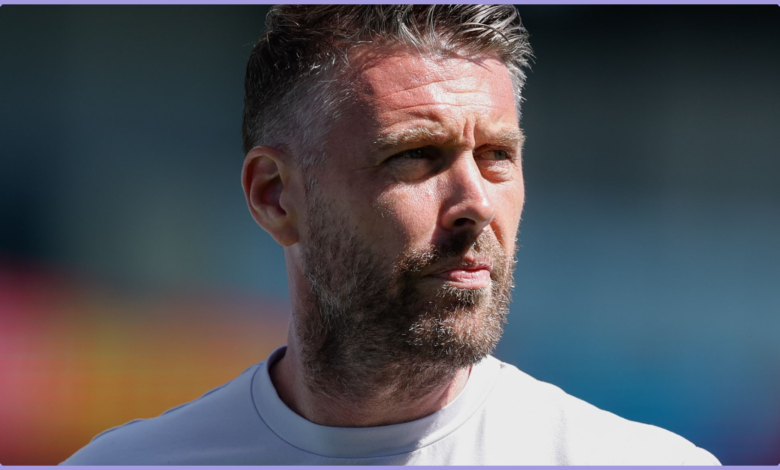
Rob Edwards Wolves: The Rise, the Challenges, and the Road Ahead
Rob Edwards Wolves — a phrase that electrified fans of Wolverhampton Wanderers and reverberated across English football in late 2025 and into 2026. When the club announced that Rob Edwards, a former player turned coach, would take the helm at Molineux Stadium, excitement rippled through Wolves supporters. Over the following months, his journey became one of hope, resilience, struggle, and ultimately change. This is the full story — from Edwards’ appointment to his departure and what it means for Wolves’ future.
Who Is Rob Edwards?
Robert Owen Edwards — widely known as Rob Edwards — is a 43‑year‑old Welsh football manager and former professional player. Born in Telford, England, on December 25, 1982, Edwards’ playing career spanned several English clubs, but he is most fondly remembered by fans for his time at Wolves, where he made over 100 appearances between 2004 and 2008. After retiring in 2013 due to injuries, he moved into coaching, gradually building an impressive resume through work with youth teams, national youth sides, and senior first teams.
Edwards’ managerial highlights include leading Forest Green Rovers to the League Two title and guiding Luton Town into the Premier League — a remarkable achievement that brought him national attention long before his return to Wolves. His story is one of progression, persistence, and personal growth — traits that captivated fans when the news broke that Rob Edwards Wolves would soon become headline material again.
A Homecoming to Wolves
The connection between Rob Edwards and Wolverhampton Wanderers runs deep. Not only did he play for the club, but he also spent time as a coach in the academy system and had an interim stint with the first team in 2016. So, when Wolves were struggling in the Premier League during the 2025–26 season, turning to a familiar face felt like a natural and emotional choice.
On November 12, 2025, Wolves confirmed that Edwards would take over as head coach, signing a three‑and‑a‑half‑year deal after leaving Middlesbrough. This appointment was widely seen as a statement: the club wanted someone who understood its culture, its people, and its ambitions. Edwards himself referred to the role as a dream opportunity — a chance to help the team he once represented as a player.
Taking Charge: Hope and Challenge
At the time of his appointment, Wolves were languishing at the bottom of the Premier League table, winless after 11 games. Edwards inherited a squad low on confidence and struggling in all areas of performance. Despite this daunting scenario, many supporters hoped that his leadership and tactical insight would spark a turnaround.
Throughout his tenure, Rob Edwards worked tirelessly to instill resilience and unity within the Wolves squad. Reports highlighted that he was instrumental in shaping plans for the club’s future, including recruiting experienced talents and re‑signing key players. However, the pressures of Premier League competition proved relentless.
Despite flashes of promise, the desired improvement in results did not materialize. Wolves finished the 2025–26 Premier League season at the bottom of the table, earning only 20 points from 38 matches. This marked the end of an eight‑season top‑flight stay for the club, and ultimately, Edwards’ time in charge would be defined by this struggle to survive.
The Departure: What Happened?
In June 2026, Wolverhampton Wanderers made the difficult decision to part ways with Rob Edwards after just seven months at the helm. The club noted that following a comprehensive review of the season, it was determined that a change in leadership was necessary as Wolves looked to rebuild and reposition themselves for future success.
The decision was surprising to many, especially because Edwards had already begun shaping Wolves’ future — not just managing the present. Reports noted that Edwards learned of the decision while on holiday, having seen online rumors before formal communication from the club.
Executive chairman Nathan Shi stressed that the move was about sporting direction rather than character or commitment, acknowledging Edwards’ professionalism and effort during a challenging period. Nevertheless, relegation and inconsistent results ultimately proved too heavy a burden to overcome.
Legacy and Reflection
Discussing Rob Edwards Wolves is not just about results — it’s about narrative, growth, and identity. Edwards’ tenure, though brief, symbolized a return to roots and a connection between past and present. For supporters, his appointment was emotional: a reminder of Wolves’ heritage and the importance of forging strong links between the club and its community.
From a tactical viewpoint, Edwards brought fresh ideas and a willingness to use his managerial experience. Yet the harsh realities of Premier League football — injuries, squad limitations, and fierce competition — exposed limitations that even his leadership could not fully overcome. It was a stark lesson in how fragile success can be at the highest level of the sport.
What’s Next for Wolves?
With Rob Edwards’ departure finalized, Wolverhampton Wanderers have turned their attention to identifying a new head coach who can lead the club forward, particularly as they prepare for life in the Championship. Media speculation has pointed toward potential candidates from abroad, reflecting a desire for fresh tactical vision and experience at promotion‑challenging clubs.
For Wolves, the season ahead will be about rebuilding: strengthening the squad, refocusing on long‑term objectives, and nurturing a culture of resilience that can propel the club back to the top flight. The foundations laid during Edwards’ stint may yet influence future decisions, even if his chapter at Molineux has closed.
Conclusion: The Story of Rob Edwards and Wolves
The tale of Rob Edwards Wolves is a compelling chapter in modern football — one filled with promise, adversity, and transformation. Edwards’ appointment was rooted in history and ambition, and although its conclusion was not the fairy‑tale many hoped for, it was undeniably significant. His brief but passionate leadership spotlighted the challenges of top‑tier management and demonstrated the complexities clubs face when trying to balance heritage, performance, and future growth.
As Wolves look ahead, the lessons from Edwards’ tenure will linger — reminding fans and analysts alike that success in football is about more than results. It’s about vision, adaptability, and the courage to evolve. Rob Edwards may no longer be steering the Wolves ship, but his impact on the club’s modern journey will not soon be forgotten.
Frequently Asked Questions
Who exactly is Rob Edwards?
Rob Edwards is a former professional footballer and current Welsh manager who played as a centre‑back and later transitioned into coaching and management. He is known for his time playing at Wolverhampton Wanderers and several managerial roles across English football.
Why was Rob Edwards appointed head coach of Wolves?
Wolves appointed Edwards in November 2025 in hopes that his deep ties to the club, coaching experience, and leadership skills could help rescue the team from relegation and rebuild its competitive edge.
What happened during his time at Wolves?
Despite his efforts, Wolves struggled for consistent form, finishing bottom of the Premier League and facing relegation. Edwards was involved in shaping transfer plans and tactical strategies but couldn’t halt the club’s decline.
Why was he sacked?
Following relegation and a comprehensive review of the season, Wolves’ leadership decided a change in direction was necessary, leading to Edwards’ departure despite acknowledgment of his dedication and character.
What comes next for both Wolves and Rob Edwards?
Wolves are searching for a new head coach to lead them in the Championship, while Edwards may explore new opportunities — perhaps in coaching or management roles elsewhere, where his experience and insight continue to be valued.
Karmelo Anthony: From Brooklyn Streets to Basketball Stardom and Global Legacy