The hidden costs that derail new plant yard operations are not the machines. They are everything around them. Excavators, dumpers, and rollers are the costs every first-time operator researches obsessively, comparing specs, financing terms, and residual values for months.
The hardstanding, the power supply, the servicing bay, the haulage bills, the compliance paperwork, and the quiet January that arrives before you are ready are the expenses that catch you out.
1. The Ground Beneath You Costs More Than You Think
Most operators negotiate the monthly rate and stop there, ignoring the essential hardstanding specification. Compacted hardcore rated for heavy plant is rarely standard on commercial lets. If the landlord refuses to fund it, you will cover a bill running from £5,000 to £30,000 before a single machine rolls in.
Drainage functions as a separate line item because inadequate run-off management triggers costly Environment Agency notices. You must secure an early budget for interceptors and appropriate discharge consent from the outset to avoid operational delays.
| Key Insight: The hardstanding, drainage, and dilapidations clauses can exceed the first machine’s cost. Budget £5,000 to £30,000 for hardstanding before a single piece of plant arrives. |
2. The Supply Is Either There or It Isn’t
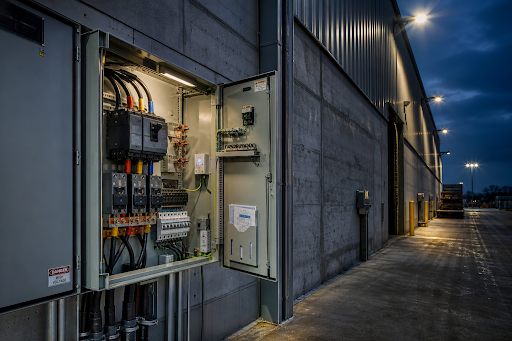
Older sites frequently carry a power supply too light for heavy workshop use. Bringing in an upgraded three-phase supply involves lead times of several months and installation costs hitting £50,000.
Lighting introduces another mandatory expense since LED industrial fittings across a mid-sized yard regularly reach four figures. This expense holds even before factoring in the remedial electrical work older premises require.
3. Buy Lifting Equipment Once
A lift bought without checking its rated capacity becomes misspecified equipment. This decision must happen before purchase by matching capacity and ceiling height to the vehicles you will actually service. For instance, sturdy Atlas lifts from HeavyLift Direct represent one range worth pricing, though UK buyers must factor in North American sourcing logistics.
First-draft budgets routinely miss inspection pits, compressed air lines, and basic workshop tooling. Price all three components alongside your lifting equipment before the bay is built so you avoid structural changes later.
| Pro Tip: Price the lift, inspection pit, compressed air lines, and tooling together before fixing the bay layout. Retrofitting any of them later compounds the capital requirement. |
4. The Haulage Line Most Owners Guess At
Transport remains the most under-budgeted line because owners underestimate move frequency. The legal difference between a properly permitted heavy-haul move and an improvised one creates severe financial risks. Overweight loads moved without correct documentation attract immediate DVSA enforcement.
The discipline required for compliant transit matches the standards set by specialist firms handling Titan Worldwide Logistics’ specialised heavy haul trucking in Texas. Apply that exact rigour by calculating a realistic per-move cost and adding twenty per cent for exceptions.
| Warning/Important: Underestimating move frequency or per-move costs triggers STGO fines and prohibition notices. Multiply realistic per-move cost by annual moves and add 20% for exceptions. |
5. The Paperwork Costs That Never Made It Into the First Budget
Plant yard operators need a layered insurance stack to maintain basic compliance across the entire site. Public liability is the starting point, but employer’s liability becomes a strict legal requirement the moment anyone else sets foot on your property in a working capacity.
Adding goods in transit and equipment-specific policies pushes the combined annual premium for a small operation well beyond £3,000. That elevated figure frequently catches first-timers off guard when the renewal notice arrives in the post.
The Lifting Operations and Lifting Equipment Regulations 1998 govern every single piece of lifting hardware stationed in your servicing bay. Equipment used to lift people requires a thorough, documented examination by a competent person every six months, while standard lifting gear requires comprehensive annual checks.
Missing a statutory inspection interval voids your insurance cover immediately, so budget a named annual examination line item alongside CPCS card renewals and site compliance documentation.
6. Licences, Drums, and the Environment Agency
Every functioning plant yard generates controlled waste, including used oil, contaminated rags, engine coolant, and general workshop debris. All of these materials fall under strict duty of care provisions in UK waste regulations, making documented transfer notes and authorised disposal routes a legal necessity rather than an operational choice.
Transporting your own waste off site requires a lower-tier waste carrier registration with the Environment Agency, which costs approximately £154 and is consistently overlooked during initial budget planning.
Oil storage introduces an entirely separate environmental trigger point for yard owners. You must adhere to specific rules if your tank has a capacity of 201 litres or more at a business premises. This requirement means any fixed tank needs a secondary containment system covering not less than 110% of the primary container’s volume.
Failing these strict requirements after a spillage results in rapid enforcement action, severe clean-up liabilities, and potential criminal prosecution. Diesel storage adds further compliance layers under current HMRC rules, which means bunded tanks and dedicated waste contracts must feature heavily in your financial projections.
7. Hold Back Enough to Survive the Months You Didn’t Plan For
Plant hire features heavy seasonality and project-dependency built directly into its standard revenue pattern. A slow January, a persistently wet spring, or a sudden lull after an initial rush frequently arrives before new operators build a sufficient cash buffer.
Fixed costs like lease payments, layered insurance premiums, and non-negotiable loan repayments run continually regardless of your actual machinery utilisation rates.
Establishing a cash reserve equivalent to at least three months of fixed overhead provides essential operational safety from day one. This safety net represents the operational difference between enduring a short cash squeeze that you trade through and facing a forced sale of machines at distressed prices.
Treat this protective reserve as a strict, non-negotiable line item in the pre-opening budget rather than an optimistic financial target you aim for once rental income starts flowing.
| Quote: A cash reserve of at least three months’ fixed overhead, held before opening, is the difference between trading through a quiet spell and forced machine sales at distressed prices. |
The Bottom Line
Of the seven hidden operational expenses, transport and haulage blindsides new operators most consistently by arriving faster and more frequently than projected. The combination of high move frequency and permit complexity under the STGO framework adds up faster than any other single line item in the budget.
The servicing bay comes a close second, since buying your lifting equipment correctly the first time prevents expensive retrofit bills later. To ensure survival through year one, your business plan must put a hard number against the ground, the power, the bay equipment, the statutory inspections, the moves, the compliance obligations, and the quiet months.