Security breaches on temporary or busy sites can result in theft, liability issues, and interruptions to operations. Effective perimeter barriers offer a practical method to control access and manage risks encountered by construction and event managers. Understanding how these barriers work is important for maintaining safe and compliant working environments.
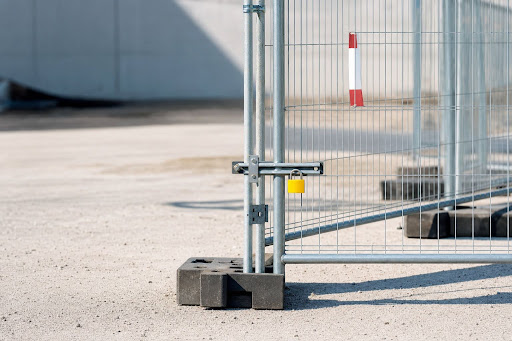
Site operators need to address a range of security risks that affect both construction and live event locations. Temporary fencing is a common solution used to discourage unauthorised access, reduce opportunities for criminal activity, and help protect people and property. With costs linked to theft, vandalism, and insurance claims often a concern, maintaining effective perimeter controls is a fundamental part of operational planning. For businesses and venue organisers, robust security measures contribute to safer outcomes and can lower potential liabilities.
Why perimeter security is a critical concern
The risks of theft and vandalism are higher when valuable materials, tools, or equipment are stored outdoors. Insufficient security can also result in accidental injury if unauthorised persons enter hazardous areas, raising liability concerns for site operators. Temporary worksites and short-term event spaces often lack permanent security features found at established facilities, which makes the choice of perimeter barriers particularly important.
Unrestricted access to a site is a key factor in security breaches. Defining clear boundaries separates hazards from public areas and directs authorised personnel safely through busy or changing environments. Whether managing a construction zone or a festival entrance, maintaining secure perimeter access points helps to reduce the likelihood of incidents and supports safer operational processes.
Deterrence, access control, and public protection
Site security is more effective when it combines visible barriers and clear access controls, in addition to marking out a boundary. Practical measures incorporate physical deterrent features and defined entry points to help discourage intrusion attempts. Controlled access points for vehicles and pedestrians also help to maintain order and accountability.
In addition to limiting unauthorised access, well-designed barriers keep hazardous equipment and works safely away from non-authorised individuals. Ensuring contractors, suppliers, and visitors are separated from site vehicles and potential trip hazards is important, especially on busy or complicated sites. Physical separation using perimeter barriers also aids logistics and reduces the risk of accidental injury throughout a project or event.
Identifying and addressing common security weak points
Intrusions outside of regular working hours are common on sites without permanent staff presence. Materials and tools are most at risk when activity is low, and opportunistic theft can occur via weaknesses in the perimeter. Gateways, delivery zones, and pedestrian crossings are typically higher-risk areas that require stronger controls.
Industry practice points to the value of stable bases, suitable panel heights, and anti-climb designs for effective barriers. Maintaining clear sightlines and compatibility with lighting and warning signs is also recommended. Security may be undermined if barriers are inadequate or inspection routines are not followed. In some circumstances, fire rated hoarding is used alongside perimeter fencing to address specific safety requirements, providing an added layer of risk reduction and compliance.
Implementing operational best practice for site barriers
Good security planning starts before installation, with solutions tailored to the specific needs of each site. Assessing likely risks, required access, and site layouts helps to determine the appropriate position, type, and coverage of temporary fencing. Regular checks for loose panels, gaps, or damage help ensure that problems are managed before security is compromised.
Managing changes as a project or event progresses is also important. As logistics shift, making timely adjustments to access points and perimeters keeps controls effective. Documenting any breaches or attempted intrusions, along with prompt repair of weaknesses, supports ongoing site safety and compliance for all users.
Integrating physical barriers with wider site security
While perimeter barriers are an important first line of defence, most sites benefit from using these alongside other security measures. Closed-circuit television, appropriate lighting, routine patrols, and structured entry and exit procedures together help to deter security issues and support a prompt response. Relying solely on any one measure may not be sufficient, particularly at high-value or high-traffic locations.
Planning security carefully provides greater predictability in site operations and improved confidence for those working on or visiting the site. By focusing on controlled access and risk management at the perimeter, site operators show their commitment to good practice and compliance. Temporary fencing solutions remain a central element of a balanced and effective site security approach.