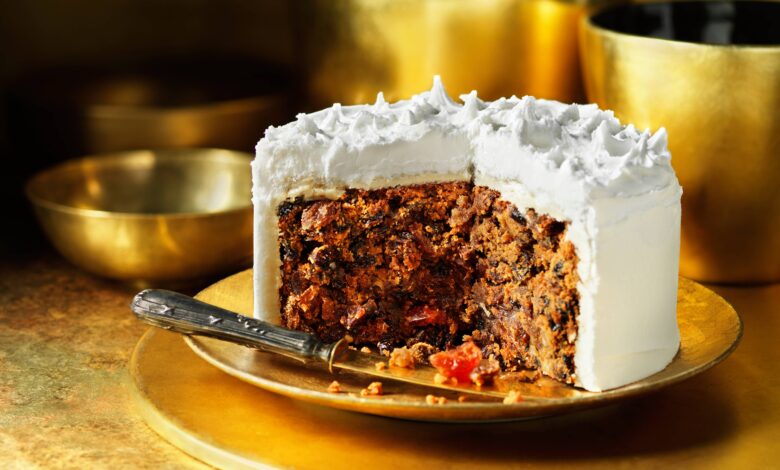
Mary Berry Christmas Cake: The Classic Festive Bake Everyone Loves
Christmas baking has a special way of bringing people together, and the Mary Berry Christmas cake remains one of the most admired traditional choices for the festive season. Known for her dependable recipes and practical baking advice, Mary Berry has created Christmas cakes that balance rich dried fruit, warming spices, citrus notes, and a beautifully moist texture.
Why Mary Berry Christmas Cake Is So Popular
Mary Berry’s approach to Christmas baking is built around simple techniques that produce reliable results. Her Classic Victorian Christmas Cake, featured in her Christmas Collection, combines currants, raisins, sultanas, glacé cherries, almonds, orange zest, mixed spice, and sherry. The recipe is designed to be prepared well ahead of Christmas, allowing the flavours to develop over time.
What makes this style of cake particularly appealing is its balance. It is rich enough to feel luxurious without relying on complicated decoration or unusual ingredients. The dried fruit provides sweetness and texture, while citrus zest and mixed spice add warmth and freshness. The result is the kind of cake that feels naturally connected to a traditional British Christmas table.
The Story Behind Mary Berry’s Christmas Baking
Mary Berry has spent decades building a reputation for accessible home cooking and baking. Her official recipe collection includes several festive cakes and desserts, with Christmas recipes appearing across her cookbooks and website. Her Christmas Collection contains more than 100 recipes, ideas, and practical tips designed to make festive cooking easier to manage.
Her philosophy is particularly useful when making a traditional fruit cake. Christmas cakes can appear intimidating because they require patience and careful preparation, but Mary’s recipes show that good planning is often more important than complicated baking skills. This practical approach is one reason her recipes continue to appeal to generations of home cooks.
What Goes Into a Traditional Christmas Cake?
The traditional Mary Berry Christmas cake is packed with dried fruit, giving every slice a dense and satisfying character. Her Classic Victorian version includes 175g of raisins, 500g of currants, 350g of sultanas, and 350g of glacé cherries. Chopped blanched almonds provide additional texture, while orange zest brings a bright citrus note.
The mixture also contains butter, light muscovado sugar, eggs, black treacle, flour, and mixed spice. Sherry is used to soak the fruit before baking and can also be used to feed the finished cake. This combination creates a cake that becomes increasingly flavourful as it rests.
For anyone who prefers a lighter style, Mary Berry also has an American Light Christmas Cake. This version uses dried apricots, sultanas, glacé cherries, pineapple, almonds, and lemon zest, producing a different texture and flavour profile from the classic fruit cake.
Why Soaking the Fruit Matters
One of the most important details in Mary Berry’s classic recipe is preparing the dried fruit in advance. The fruit is soaked in sherry with orange zest for three days, and Mary specifically explains that this step helps plump the fruit and develop its flavour.
Skipping or shortening the soaking period can affect the final texture because the fruit may not absorb the liquid properly. For a cake containing such a large quantity of dried fruit, moisture management is essential. Taking the time to prepare the fruit properly can make a noticeable difference to the finished cake.
For people who do not want to use alcohol, the recipe provides an alternative: the same quantity of orange juice can be used instead. This makes the traditional idea more adaptable for different households and preferences.
How Long Should a Christmas Cake Bake?
Traditional fruit cakes need gentle, slow baking because of their high fruit content and dense mixture. Mary Berry’s Classic Victorian Christmas Cake is baked at 140°C, or 120°C in a fan oven, for approximately four to four and a half hours.
The long baking time allows the centre to cook without forcing the outside to brown too quickly. Mary recommends checking the cake during baking and covering it with foil if the colour becomes sufficiently dark. A skewer inserted into the centre should come out clean when the cake is ready.
This is an important lesson for inexperienced bakers: traditional fruit cake is not something to rush. A lower temperature and longer cooking period help create the firm yet moist texture associated with a good Christmas cake.
The Importance of Making It Early
One of the biggest differences between a Christmas fruit cake and an ordinary sponge is that it benefits from being made in advance. Mary Berry recommends making her Classic Victorian Christmas Cake at least three weeks before Christmas because eating it too early can result in a crumbly texture.
After cooling, the cake can be pierced with a fine skewer and given a little additional sherry. It is then wrapped carefully and stored in a cool place. According to Mary Berry’s recipe, it can be stored for up to three months, with additional feeding at intervals.
This make-ahead quality is one of the reasons traditional Christmas cake works so well for busy households. Instead of trying to bake everything during the final days before Christmas, the cake can be prepared weeks earlier.
How to Keep the Cake Moist
Keeping the cake properly wrapped is just as important as baking it correctly. Mary Berry recommends wrapping the completely cold cake in greaseproof paper and then foil. She also advises keeping the lining paper in place during storage because it helps retain moisture.
The feeding process can also contribute to the cake’s flavour and texture. Small amounts of sherry are added through the storage period rather than flooding the cake with liquid all at once. This gradual approach helps the flavours mature without making the cake unnecessarily wet.
If you are preparing the cake without alcohol, orange juice can be used during preparation, although storage and feeding should still be handled carefully.
Decorating a Mary Berry Christmas Cake
Once the cake has matured, decorating becomes the fun part. Mary Berry’s classic recipe uses apricot jam, marzipan, and royal icing to create a traditional festive finish.
The marzipan provides a smooth layer between the rich fruit cake and the icing. Royal icing then creates the familiar snowy appearance associated with Christmas cakes. However, elaborate decoration is not essential. A simple finish can look just as attractive, particularly when the cake is served as part of a larger Christmas spread.
Mary also suggests an alternative approach using warmed apricot jam followed by glacé fruits and nuts. This is a useful choice for anyone who wants a traditional appearance without covering the entire cake in royal icing.
Common Mistakes to Avoid
A few small mistakes can change the final result. Rushing the fruit-soaking stage is one of the biggest problems because the dried fruit needs sufficient time to absorb the liquid. Overbaking can also produce a dry cake, so checking the colour and testing the centre are important.
Another common mistake is cutting the cake too soon. Traditional fruit cake improves with time, and patience is part of the recipe. Allowing the cake to mature gives the ingredients an opportunity to develop a deeper, more rounded flavour.
Finally, storage should not be overlooked. A beautifully baked cake can lose its moisture if it is left exposed to air. Proper wrapping is therefore essential.
A Modern Take on a Traditional Favourite
Although the Mary Berry Christmas cake is rooted in traditional British baking, there is plenty of room for personal touches. Some families prefer extra cherries, while others enjoy more citrus or a stronger spice flavour. Nuts can also provide additional texture.
The key is to preserve the basic character of the cake while adapting it to personal taste. The combination of fruit, spice, citrus, and a rich buttery mixture gives home bakers a dependable foundation.
Mary Berry’s collection also demonstrates that Christmas baking does not have to stop at one style of fruit cake. Her Christmas recipes include lighter cakes, mincemeat loaf cakes, festive desserts, and other seasonal dishes, making her work a useful source of inspiration for the entire holiday menu.
Frequently Asked Questions
How far ahead should Mary Berry Christmas cake be made?
For the Classic Victorian Christmas Cake, Mary Berry recommends making it at least three weeks before Christmas. This gives the cake time to mature and develop its texture and flavour.
Can I make the cake without alcohol?
Yes. Mary Berry’s classic recipe states that orange juice can be used in place of sherry when soaking the fruit.
How should Christmas cake be stored?
Once completely cool, the cake should be wrapped carefully in greaseproof paper and foil and kept in a cool place. The lining paper should remain around the cake during storage to help maintain moisture.
Can Christmas cake be frozen?
Yes. Mary Berry’s recipe notes that the cake can be frozen before decorating for up to three months and then defrosted at room temperature.
What makes Mary Berry’s Christmas cake special?
Its appeal comes from the combination of carefully prepared dried fruit, citrus, spice, rich cake mixture, and advance preparation. The recipe focuses on dependable techniques rather than unnecessary complexity.
Conclusion
The Mary Berry Christmas cake represents everything that makes traditional festive baking special: patience, rich ingredients, comforting spices, and the anticipation of Christmas. Its make-ahead nature makes it particularly practical, while the combination of dried fruit, citrus, almonds, and spice creates a deeply satisfying flavour.
Whether you follow the Classic Victorian version closely or make thoughtful adjustments for your family, the most important ingredients are careful preparation and time. With the fruit properly soaked, the cake baked slowly, and the finished bake stored correctly, you can create a memorable centrepiece for the festive season. Mary Berry’s enduring appeal lies in this straightforward approach—classic food, clear methods, and results that feel genuinely worth sharing at Christmas.
King Charles Birthday: Celebrating the Life, Legacy, and Journey of Britain’s Modern Monarch