Jeffrey Donaldson: Political Rise, Leadership, and the Controversial Legacy of a Northern Ireland Figure

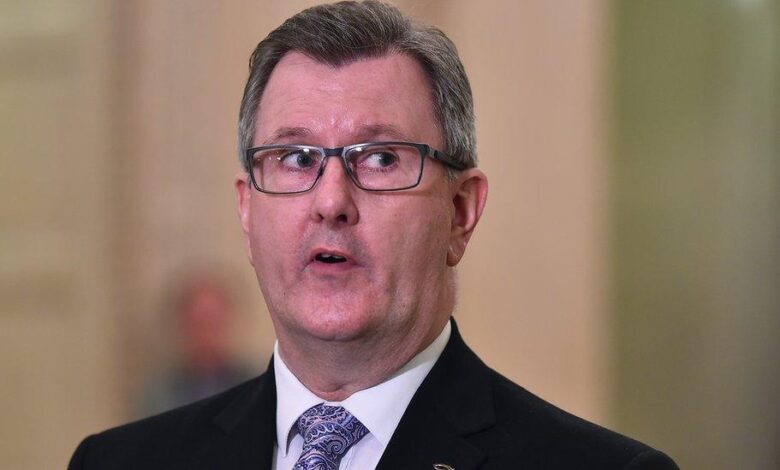
Jeffrey Donaldson: The Rise, Power, and Dramatic Fall of a Northern Irish Political Figure
Jeffrey Donaldson is one of the most talked-about names in Northern Irish politics, known for a long public career that stretched from local unionist activism to leadership of the Democratic Unionist Party. For decades, he stood at the center of major debates around identity, power-sharing, Brexit, and the future of Northern Ireland within the United Kingdom.
His story is no longer only about political influence. In recent years, public attention around Jeffrey Donaldson shifted sharply after serious criminal proceedings ended his leadership and damaged the reputation he had built over many decades. Understanding his life means looking at both his political rise and the court case that changed how the public remembers him.
Early Life and Background
Jeffrey Mark Donaldson was born on 7 December 1962 in Kilkeel, County Down, Northern Ireland. He grew up during a deeply unsettled period known as the Troubles, when political violence shaped the lives of many families across Northern Ireland.
His upbringing in a unionist community strongly influenced his political direction. Donaldson has often been associated with traditional unionist values, Protestant community life, and a firm belief in Northern Ireland remaining part of the United Kingdom.
Before entering national politics, he attended Kilkeel High School and later studied at Castlereagh College in Belfast. His early public path was not built through celebrity-style fame but through party work, community networks, and a clear commitment to unionist politics.
First Steps in Politics
Donaldson entered politics at a young age. In the early 1980s, he worked as an agent for Enoch Powell, a well-known and controversial Ulster Unionist MP. This gave him early experience in elections, constituency work, and the hard realities of Northern Ireland politics.
He became a member of the Northern Ireland Assembly in the mid-1980s, although the political institutions of that time were unstable and short-lived. These early years helped him build a reputation as a serious, disciplined, and ambitious unionist voice.
During this period, Jeffrey Donaldson also served in the Ulster Defence Regiment. His background placed him firmly inside the security and political atmosphere of Northern Ireland during one of its most difficult modern chapters.
Rise as Lagan Valley MP
Donaldson’s biggest political breakthrough came in 1997 when he was elected as Member of Parliament for Lagan Valley. The seat became closely linked with his name, and he represented it for more than two decades.
As an MP, he became known for his detailed speeches, strong unionist position, and regular involvement in debates about Northern Ireland’s constitutional future. He was not a quiet backbencher. He was a politician who often placed himself at the center of difficult arguments.
His long service gave him experience and visibility. For many voters in Lagan Valley, he became a familiar figure who understood local concerns while also speaking on national issues in Westminster.
Move from UUP to DUP
One of the most important moments in Donaldson’s career came through his break with the Ulster Unionist Party. He strongly disagreed with parts of the peace process and with the direction taken by UUP leader David Trimble after the Good Friday Agreement.
In 2003, he left the UUP and later joined the Democratic Unionist Party. This move changed his political future. The DUP was growing stronger, and Donaldson’s experience made him a valuable addition to the party.
His decision reflected wider shifts in unionist politics. Many unionist voters were moving away from the UUP and toward the DUP, which took a harder line on several peace process issues. Donaldson’s move placed him on the side that would soon dominate unionist politics.
Leadership of the DUP
Jeffrey Donaldson became leader of the DUP in 2021 after a period of internal party turmoil. His leadership arrived at a time when unionism faced difficult questions about Brexit, the Northern Ireland Protocol, and the operation of power-sharing at Stormont.
He tried to present himself as a steady figure who could guide the party through crisis. His style was more measured than some DUP figures, but his political positions remained firm. He argued strongly against post-Brexit trading arrangements that many unionists believed weakened Northern Ireland’s place in the UK.
Under his leadership, the DUP refused for a long period to support the full return of power-sharing institutions. This decision made him a central figure in one of the biggest political disputes in Northern Ireland after Brexit.
Brexit and the Protocol Debate
The Northern Ireland Protocol became one of the defining issues of Donaldson’s leadership. The arrangement was designed to avoid a hard border on the island of Ireland, but it also created checks on some goods moving from Great Britain to Northern Ireland.
Donaldson argued that this created an unacceptable barrier inside the United Kingdom. His party demanded major changes before it would fully return to Stormont. This stance gained support from many unionists but also attracted criticism from those who believed the political deadlock damaged public services.
In early 2024, after a deal with the UK government, the DUP supported the restoration of Northern Ireland’s devolved government. At that moment, Donaldson appeared to have taken a major political gamble and survived it.
Resignation and Criminal Case
Only weeks after the return of Stormont, Donaldson’s career collapsed. In March 2024, he resigned as DUP leader after being charged with historical sexual offences. The party suspended him, and he later did not contest the 2024 general election.
The charges related to offences over a long period and involved two victims who were children at the time. Donaldson denied the allegations and pleaded not guilty. His wife, Eleanor Donaldson, also faced related proceedings.
In June 2026, a jury found Donaldson guilty of 18 historical sexual offences, including rape, indecent assault, and gross indecency. The verdict marked a shocking end to the public career of a man who had spent decades in positions of authority.
Public Reaction
The reaction across Northern Ireland was serious and emotional. Political leaders and public figures focused on the courage of the victims, who had come forward after many years. The case also raised wider questions about power, trust, reputation, and public accountability.
For many people, the conviction changed the way they viewed Donaldson’s entire public life. A career that had once been discussed in terms of unionist strategy and parliamentary influence became connected with a criminal case of great seriousness.
The case also showed that public status does not place anyone beyond the reach of justice. In a society where political identity often dominates public debate, the verdict forced attention onto victims, evidence, and accountability.
Legacy in Politics
Before the criminal case, Donaldson’s legacy would likely have been described through his role in unionist politics, his long service as MP for Lagan Valley, and his leadership during the post-Brexit Stormont crisis.
Now, that legacy is much darker and more complicated. His political career remains historically important, but it cannot be separated from the conviction that ended his public standing. The name Jeffrey Donaldson now carries both political history and criminal disgrace.
For historians of Northern Ireland, his career may still be studied because he was involved in major political shifts. However, public memory often works differently from formal history. For many, the final chapter will define the whole story.
Personal Life and Public Image
Donaldson was married to Eleanor Donaldson and was publicly known as a family man during much of his political career. He often presented himself through values linked to community, faith, and unionist tradition.
That public image was central to the shock surrounding the later court case. The contrast between a respected political profile and the criminal convictions became one of the most discussed aspects of the story.
Public figures often build trust through reputation, consistency, and personal presentation. When serious facts later contradict that image, the damage is not only personal. It can affect public confidence in institutions and leadership more broadly.
Why His Story Still Matters
The story of Jeffrey Donaldson matters because it touches several important themes at once. It is about politics, power, reputation, justice, and the long-term impact of hidden abuse.
His political career helps explain many changes inside Northern Irish unionism, from the decline of the UUP to the dominance of the DUP. His leadership also shaped the debate over Brexit and Stormont during a critical period.
At the same time, the criminal case shows how serious wrongdoing can remain hidden behind status and influence. It also underlines the importance of listening carefully to victims, even when allegations involve powerful people.
Conclusion
Jeffrey Donaldson was once one of the most powerful unionist politicians in Northern Ireland. From his early years in County Down to his long service as MP for Lagan Valley and his leadership of the DUP, he played a major role in public life for decades.
Yet his name is now tied not only to politics but also to a historic criminal conviction that transformed his public legacy. The story of Jeffrey Donaldson is therefore not simply a political biography. It is a reminder that reputation, authority, and public success cannot erase the need for truth, justice, and accountability.
FAQ
Who is Jeffrey Donaldson?
Jeffrey Donaldson is a former Northern Irish politician who served as MP for Lagan Valley and later became leader of the Democratic Unionist Party. He was one of the most prominent unionist figures of his generation.
What party did Jeffrey Donaldson lead?
He led the Democratic Unionist Party from 2021 until 2024. Before joining the DUP, he was a member of the Ulster Unionist Party and had represented Lagan Valley at Westminster.
Why did Jeffrey Donaldson resign as DUP leader?
He resigned in March 2024 after being charged with historical sexual offences. Following the charges, the DUP suspended him and he stepped away from political leadership.
What was Jeffrey Donaldson convicted of?
In June 2026, he was found guilty of 18 historical sexual offences, including rape, indecent assault, and gross indecency. The offences involved two victims who were children at the time.
Why is Jeffrey Donaldson still discussed today?
He remains discussed because of his long political influence in Northern Ireland and because his criminal conviction dramatically changed his public legacy. His story is now linked to both unionist politics and legal accountability.
Jack Draper Wife: The Truth About His Relationship Status and Private Life