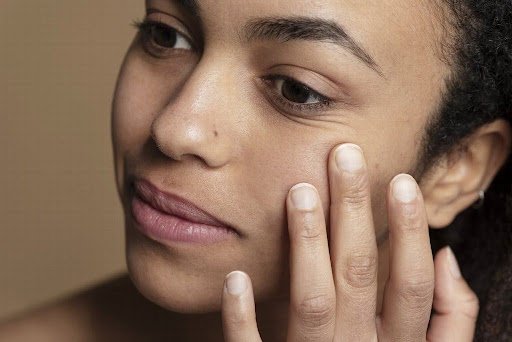
When people talk about good skin, they often focus on tone: an even colour, no redness, no dark patches. Tone is important, but it is only half the picture. Texture, meaning how smooth or uneven the surface of the skin is, has just as much influence on how healthy and radiant skin looks.
Two people can have exactly the same complexion, yet one will appear brighter and fresher than the other simply because of how their skin’s surface reflects light. Understanding texture, and what affects it, can help you build a skincare approach that delivers better results.
What Is Skin Texture?
Skin texture describes the surface of the skin: whether it feels smooth or rough, and whether it looks even or bumpy. Healthy skin texture is soft and fairly uniform, with fine natural lines and small, unobtrusive pores.
Uneven texture can include enlarged pores, rough or flaky patches, small bumps, fine lines, and indented or raised scars. These may be subtle up close, but they change how light hits the skin, creating shadows that make the complexion look dull or uneven even when tone is good.
Why Texture Changes How Skin Looks
Smooth skin reflects light evenly, which is what creates that healthy glow. Uneven skin scatters light in different directions. Raised areas catch the light while dips and indentations fall into shadow.
This is why makeup can sometimes make textured skin look more noticeable rather than less. Foundation can settle into pores and scars, emphasising rather than concealing them. It is also why lighting matters so much: overhead or side lighting exaggerates texture, while soft, front-facing light minimises it.
Common Causes of Uneven Texture
Acne and acne scarring. Acne is one of the most common causes of textured skin. Even after breakouts settle, they can leave behind marks and scars. Some scars are flat discolouration, which affects tone. Others are true changes to the skin’s structure, such as narrow, deep ice-pick scars, wider boxcar scars or rolling scars that create a wave-like surface.
Sun damage. Ultraviolet exposure breaks down collagen and elastin over time, leading to roughness, fine lines and enlarged pores.
Ageing. As skin cell turnover slows, dead cells can build up on the surface, making skin feel rougher and look less luminous.
Dehydration. Skin that lacks moisture can look dull and accentuate fine lines.
Picking and squeezing. Interfering with spots damages the surrounding skin and increases the risk of scarring.
Everyday Habits That Help
Good texture starts with consistent basics:
- Use a gentle cleanser that does not strip the skin.
- Apply sunscreen every day, even when it is cloudy.
- Keep skin hydrated with a moisturiser suited to your skin type.
- Introduce exfoliation carefully, using gentle chemical exfoliants rather than harsh scrubs.
- Consider ingredients such as retinoids, which support cell turnover, after checking they are suitable for you.
- Avoid picking or squeezing spots.
These steps can make a noticeable difference to mild texture and help protect the skin from further damage.
When Skincare Is Not Enough
Topical products work mainly on the skin’s surface. They can improve roughness and brightness, but they cannot rebuild the deeper structure of the skin. Indented acne scars, in particular, are caused by damage to the collagen beneath the surface, and they usually need professional treatment to improve.
Professional acne scar treatment may include options such as microneedling, chemical peels, laser resurfacing, subcision or dermal fillers, depending on the type and depth of scarring. Often, the best results come from combining several approaches over a course of treatment.
Because every scar is different, a proper assessment by an experienced practitioner is essential. They can identify which types of scarring are present, explain what improvement is realistic, and design a plan that suits your skin type and lifestyle.
Tone and Texture Work Together
The most effective skincare approach treats tone and texture as partners. Evening out pigmentation will make skin look clearer, but smoothing texture is what allows it to reflect light and look genuinely healthy. Focusing on both gives a far more balanced result than focusing on either alone.
- Most importantly, skin is not meant to be perfect. Pores, fine lines and the occasional mark are all part of real skin. The aim is not flawlessness, but skin that feels comfortable and looks healthy, and that you feel confident in.